







Search Results for: heart latte art
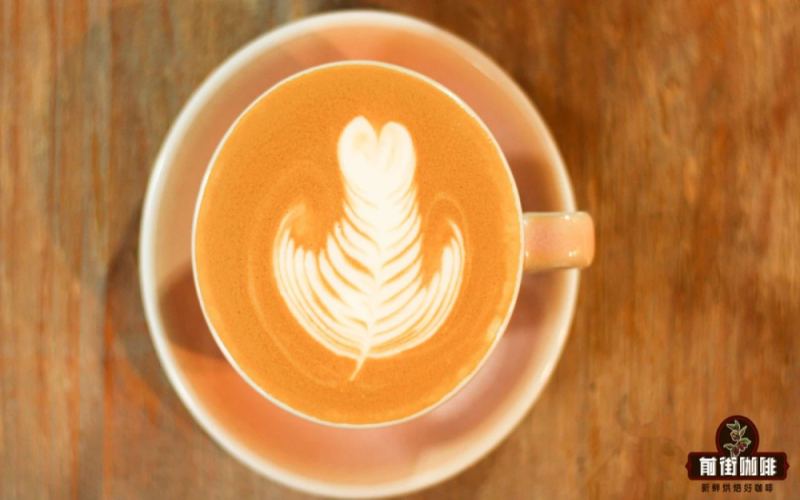
Latte art tutorial | Which milk is suitable for making latte art? How exactly do you do a leaf rosetta latte art? What mistakes are easy to make in latte art?
Today Front Street Coffee is here to share a new basic latte art pattern—the "leaf"! This time, the method for this leaf pattern is almost identical to the layered heart: both are formed by swinging the milk pitcher at a steady speed to create regular, symmetrical lines. If you've already mastered the layered heart, then the leaf is as good as in the bag too. Leaf. [more…]

A Detailed Guide to Coffee Latte Art for Beginners | Which Coffee Beans Are Suitable for Latte Art? How Do You Make a Heart-Shaped Latte Art Pattern on an Espresso Latte?
Latte art in espresso coffee is the best expression of the fusion between hot milk and coffee liquid. At Front Street Coffee, when making milk coffee, there are always customers who request latte art. In latte art, steaming milk is crucial—only by creating smooth, silky milk foam can the flavor of milk coffee be fully expressed. [more…]
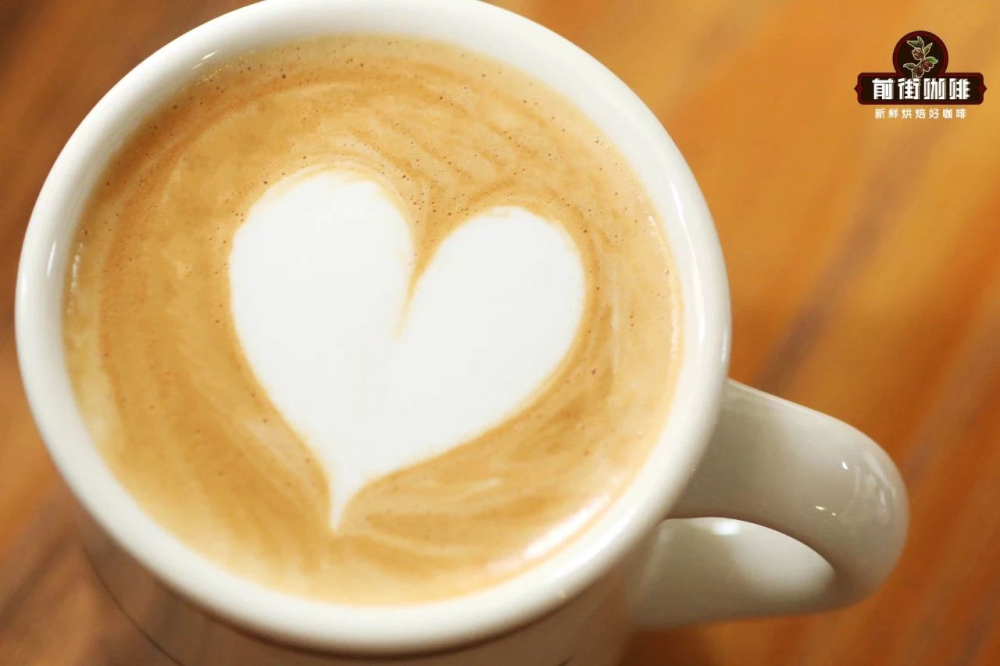
Coffee Beans Specifically for Latte Art | What Kind of Espresso Beans Are Suitable for Latte Art? Step-by-Step Tutorial on How to Make a Heart-Shaped Latte Art
For more specialty coffee knowledge, please follow: Front Street Coffee (Frontsteet Coffee). Latte art almost always uses Espresso as the base, and when brewing Espresso, there are actually tricks to make it more suitable for latte art. So, which kind of coffee beans is more suitable for latte art? [more…]
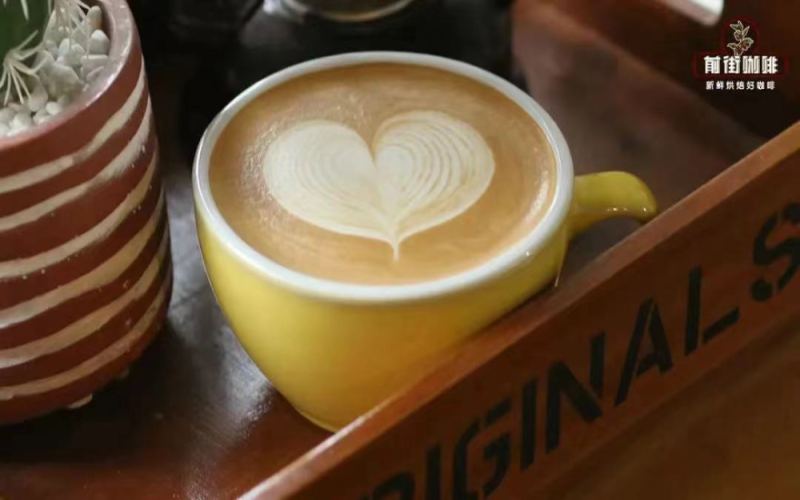
Beginner Latte Art Tutorial Explained | How Can Coffee Newbies Make a Heart-Shaped Latte Art? How Do You Use an Espresso Machine to Steam Silky, Smooth Milk Foam?
For professional coffee knowledge exchange and more coffee bean information, please follow Coffee Workshop (WeChat official account cafe_style). For more specialty coffee beans, please add private WeChat Front Street Coffee (FrontStreet Coffee), WeChat ID: qjcoffeex. Coffee latte art is coffee [more…]
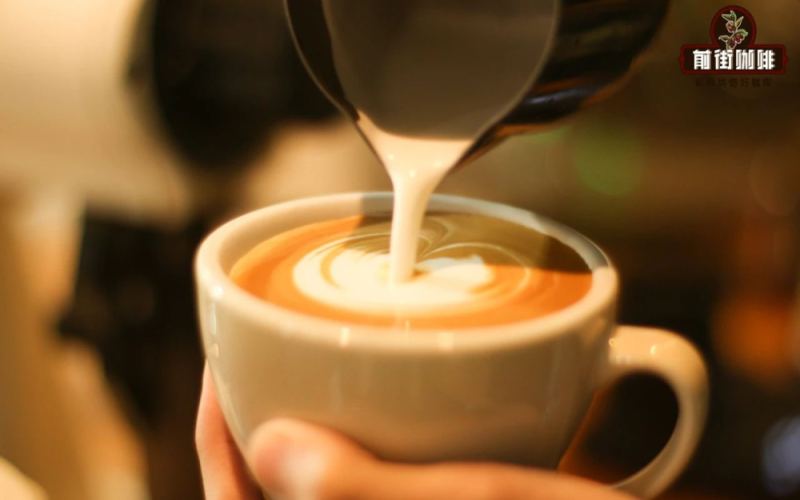
Simple Latte Art Illustrated Guide | What is the principle behind coffee latte art? Which kind of milk is used to make latte art? Is it hard for coffee beginners to learn latte art?
Many people ask Front Street, how long does it take to learn latte art? If we're just talking about producing a good-looking pattern, with a bit of luck it only takes one day. If we're talking about truly mastering a pattern, it takes at least 4 days. So many people ask, where do these 4 days come from? It's simple: Day one, read this article from Front Street; day two, practice; day three, [more…]

Step-by-Step Latte Art Tutorial | What Are the Requirements for Latte Art Coffee Beans? Recommended Specialty Espresso Beans for Milk Coffee
Latte art almost always uses espresso as its base, and when brewing espresso, there are actually tricks to make it more suitable for latte art. So, which kind of coffee beans is more suitable for latte art? Front Street Coffee is here today to give the answer. Recommendations for choosing latte art coffee beans. To make perfect latte art, we first [more…]
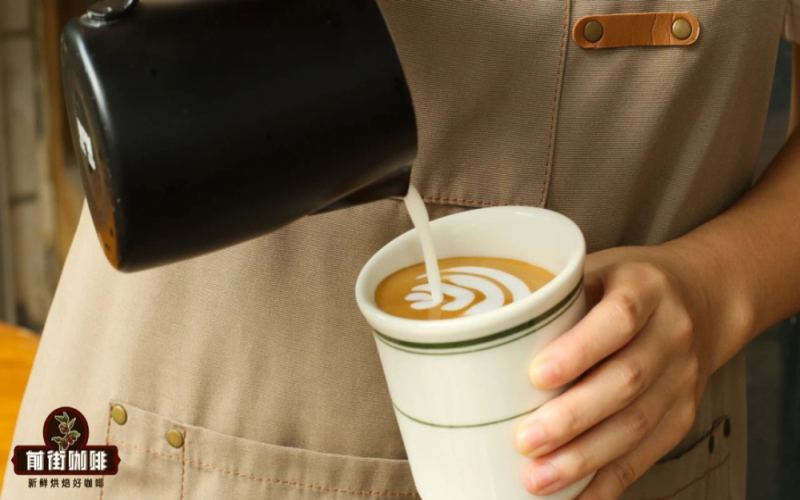
Illustrated Latte Art Tutorial: Key Points on Milk Foam Thickness and a Full Analysis of Milk Selection
Many friends who are just getting into coffee think latte art looks simple—just pour casually and you'll get a heart or a tulip. But when they actually try it, they discover the milk always floats on the surface in clumps. In fact, the key to latte art lies in the condition of the milk foam, the pouring technique, and the way you hold the pitcher and the cup. This time, Front Street Coffee focuses on latte art, breaking down the operational details of each step—from the required foam thickness, steam wand positioning, and steaming temperature, to pouring practice and how to hold the milk pitcher—to help everyone avoid detours and pour a decent-looking pattern as quickly as possible. [more…]

The Principles of Latte Art | What Is the Key to Making Latte Art? Why Is There No Pattern When Making Latte Art?
“Why can't my latte produce a beautiful pattern? Why is it that when others casually wiggle the milk pitcher, they can make a heart or leaf with lines! But when I wiggle, it always just looks like a blob… Is there something wrong with my hands?” No! Maybe it's your pitcher-holding posture that's wrong~ What is the principle behind latte art? Why can wiggling produce a pattern? Espresso [more…]
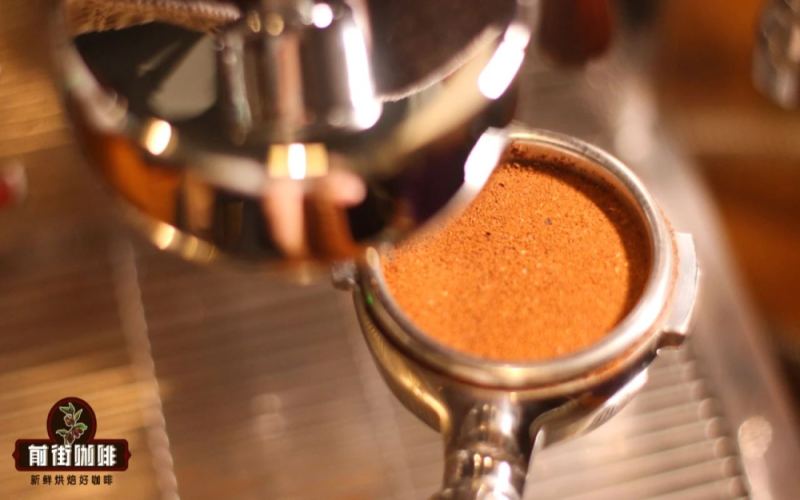
Coffee beans specifically for latte art | Where did latte art originate in coffee culture? Why are dark roast coffee beans suitable for making latte art?
For more specialty coffee knowledge, please follow: Front Street Coffee (Frontsteet Coffee). Many people get into coffee because of beautiful latte art designs—after all, whenever you successfully recreate an exquisite pattern, the sense of accomplishment is unparalleled. So do you know who was the first to [more…]

From Surfactants to Foam Stability: A Beginner's Guide to Latte Art and the Principles of Fluid Dynamics
Latte art is a romantic expression of a barista's skill, with white milk foam blooming into heart or leaf patterns on the surface of dark brown espresso. Latte art is divided into two types: free-pour latte art and etched latte art created after pouring. The wonder of the former lies in the pattern forming simultaneously with the pour, while the latter offers a wider range of designs because the stable foam allows for leisurely drawing. From a physics perspective, the core of latte art lies in surfactants—molecules that possess both hydrophilic and hydrophobic groups, capable of stabilizing the interface between air and liquid to form lasting foam. Milk proteins and coffee lipids act together as surfactants, enabling the two micron-scale foams to remain clearly separated for a long time after mixing, thereby allowing the pattern to persist. This article will guide you from the basic principles of surfactants to understand espresso's crema, the formation of hot milk foam, and why foam mixing rather than liquid mixing is the key to successful latte art, while also revealing the widespread applications of surfactants in daily life and industry. [more…]
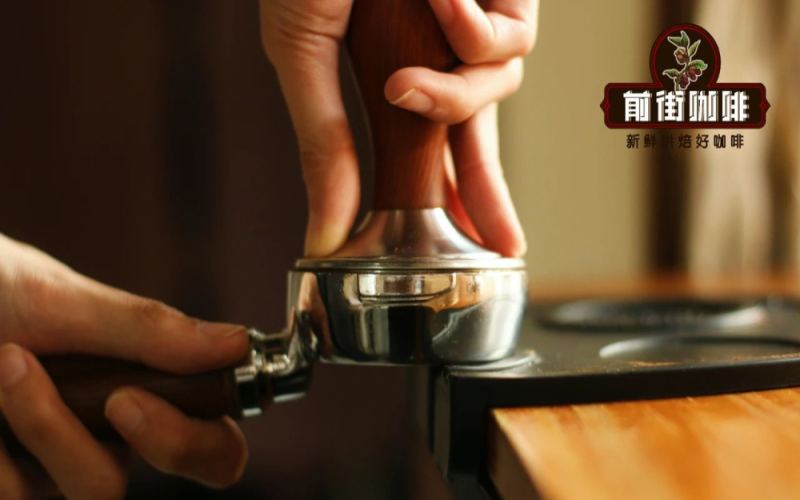
Coffee Shop-Style Latte Tutorial | Is Making Beautiful Latte Art Difficult? Recommended Medium-Dark Roast Specialty Espresso Beans for Lattes
Every coffee shop has slight differences in the milk-to-coffee ratio, beans used, and extraction parameters for their lattes. But in general, a latte is a coffee drink made by mixing a large amount of milk into espresso. Many friends have messaged Front Street Coffee (FrontStreet Coffee) asking. [more…]
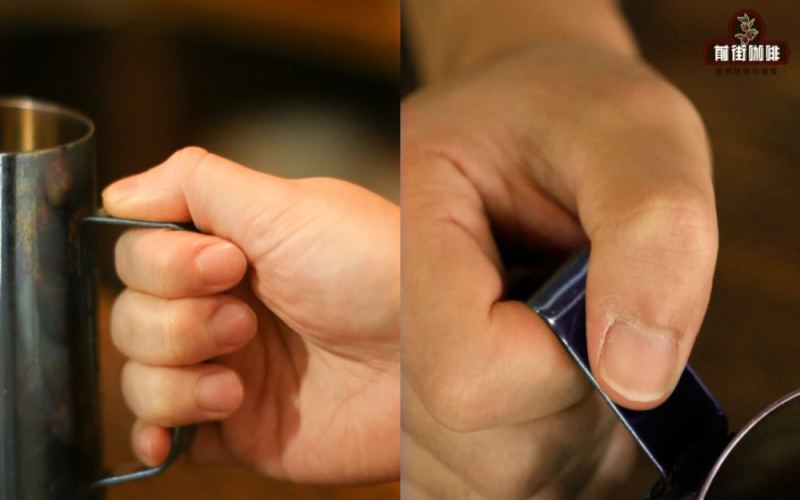
Latte Recipe Ratio | How Can Coffee Beginners Practice Italian Latte Art Patterns at Home? What Details Should Be Noted When Creating Latte Art Designs?
A friend asked Front Street Coffee how to practice the pitcher movement for patterned latte art. This article serves as a supplement to "How can you pour beautiful patterned lines?" If you haven't read it yet, you can click the link to take a look first; this article won't repeat the content covered there. The first issue: if your pour is asymmetrical, there is only one possible [more…]
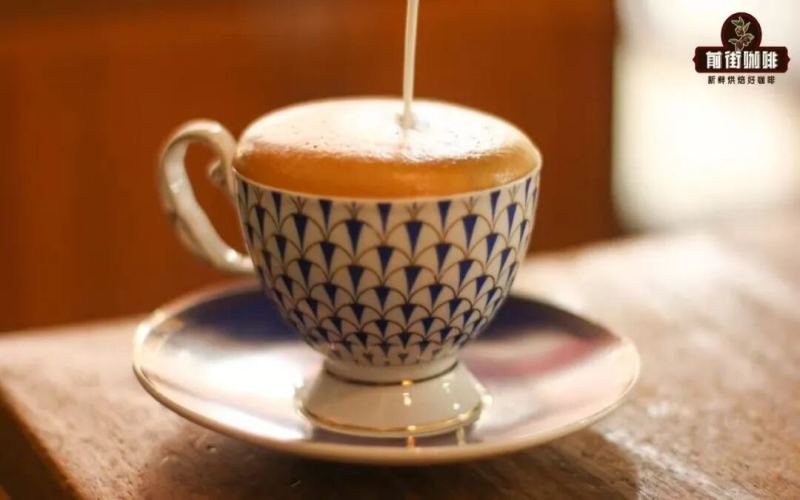
Coffee Categories | Why is latte coffee so popular? What is the origin of latte coffee? When was the art of coffee latte art born?
In a broad sense, latte coffee refers to coffee made with espresso as the base, with a certain proportion of milk added. It can be said to be an essential coffee drink on the menu of the vast majority of coffee shops, because whether it is a large chain brand or a refined independent coffee shop, the latte is almost always the highest-selling item. [more…]
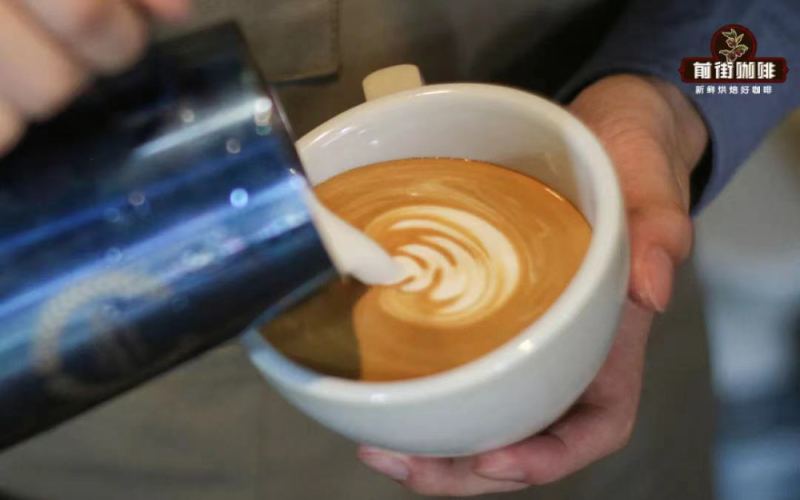
Featured Espresso Blend Recommendations | What Espresso Blend Is Best for Milk Coffee? What Are the Requirements for Espresso Beans in Flat White and Latte?
For more specialty coffee knowledge, please follow our WeChat public account: Front Street Coffee (FrontStreet Coffee). Many people fall into the coffee rabbit hole because of beautiful latte art. After all, whenever you successfully recreate an exquisite pattern, the sense of accomplishment is unmatched. So, do you know [more…]
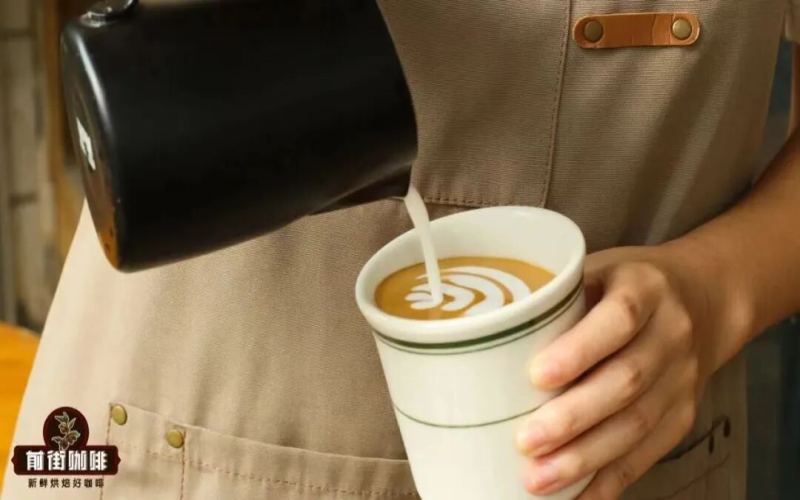
Espresso Milk Drinks | How to make a standard latte, cappuccino, and flat white? What are the differences between the three?
Even with the same few ingredients, as long as the proportions differ, we can create infinite possibilities—coffee is a perfect example. Take the "three milk coffee musketeers" that Front Street Coffee often shares: latte, flat white, and cappuccino. Their only ingredients are milk and coffee, yet when you drink them, whether in taste [more…]
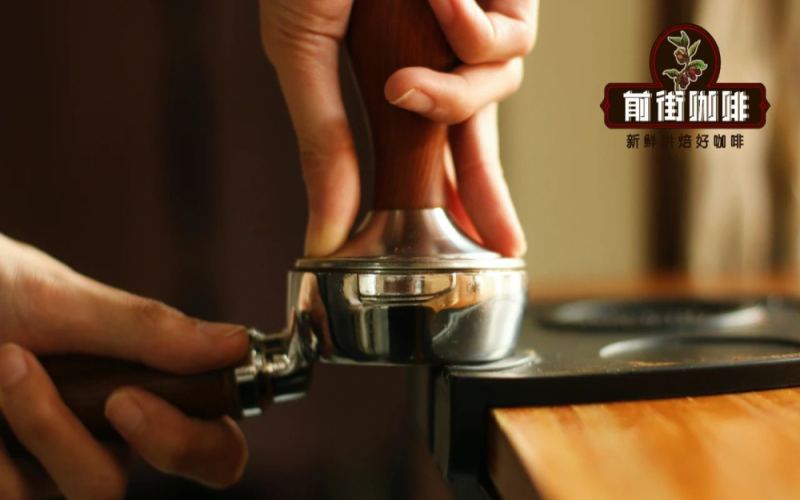
Latte Recipe Sharing | What Is a Latte? Which Coffee Beans and Milk Should You Choose for Latte Art? What Is the Milk-to-Espresso Ratio in a Latte?
" "I'm not in a café, I'm on my way to one." For Italians who love coffee, latte is an all-too-familiar drink. On a beautiful morning, sipping a cup of latte feels incredibly cozy and refreshing. So, what exactly is a latte? And how is it made? Let's take a look with Front Street Coffee (Fr [more…]
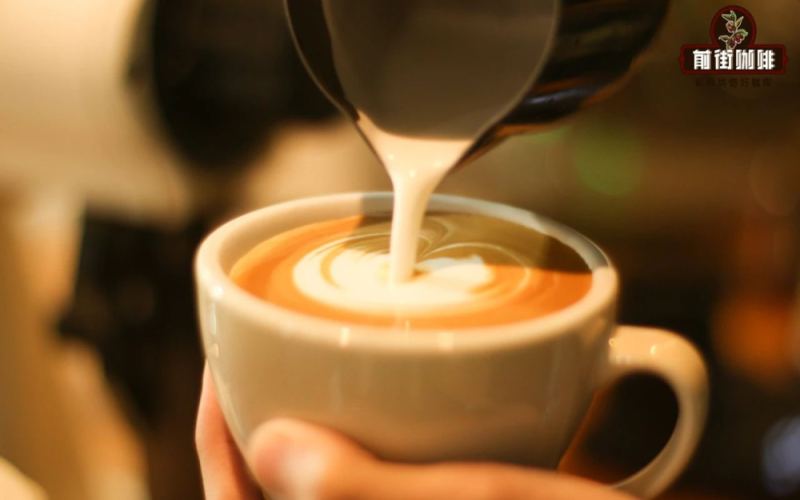
How to Make an Espresso Latte | How to Recreate the Same Beautiful Latte Art Latte as a Coffee Shop? What Are Some High-Cost-Performance, High-Quality Espresso Coffee Beans for Espresso Extraction?
"Latte" is a transliteration of the Italian word "Latte." Coffee Latte is a type of espresso-based coffee, referring to a drink made by mixing espresso with milk. As a result, it has both the rich aroma of espresso and the fresh sweetness of milk, with a balanced and smooth mouthfeel that leaves a lingering taste in your mouth after drinking. [more…]
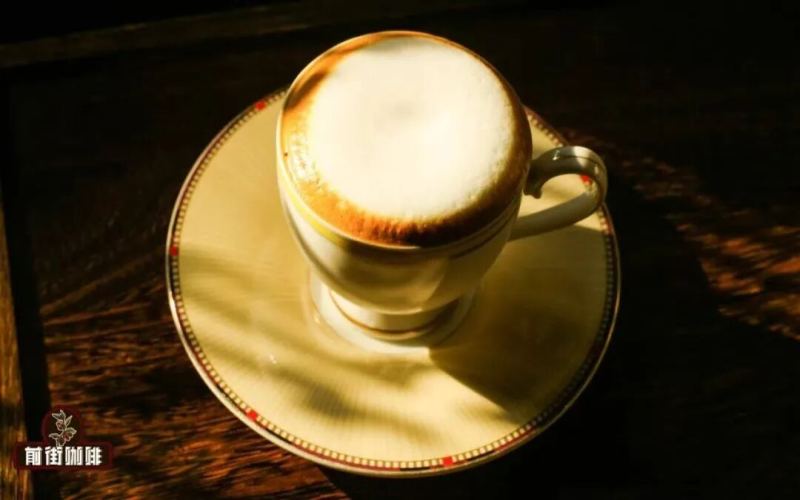
How to Make a Cappuccino | Why Are Nearly 90% of Cappuccinos Made Wrong? How to Make a Traditional Cappuccino with a Golden Ring?
If you often browse major coffee forums, Front Street believes that when it comes to cappuccino, you will always come across claims like this: "Nearly 90% of the cappuccinos on the market are not made correctly." Many friends are puzzled when they see this: "Isn't a cappuccino just a milk coffee with milk foam? Isn't it just [more…]

Commercial Latte Coffee Beans Recommendations | Which Italian-style beans are suitable for making lattes? What are the requirements for coffee beans used in latte art? How do you judge whether espresso extraction is successful?
For more specialty coffee knowledge, please follow our WeChat official account: Front Street Coffee (FrontStreet Coffee). Nowadays, more and more people like to have a cup of rich and mellow espresso in the morning to refresh themselves. The rich milk and the extracted espresso are perfectly blended together, very [more…]
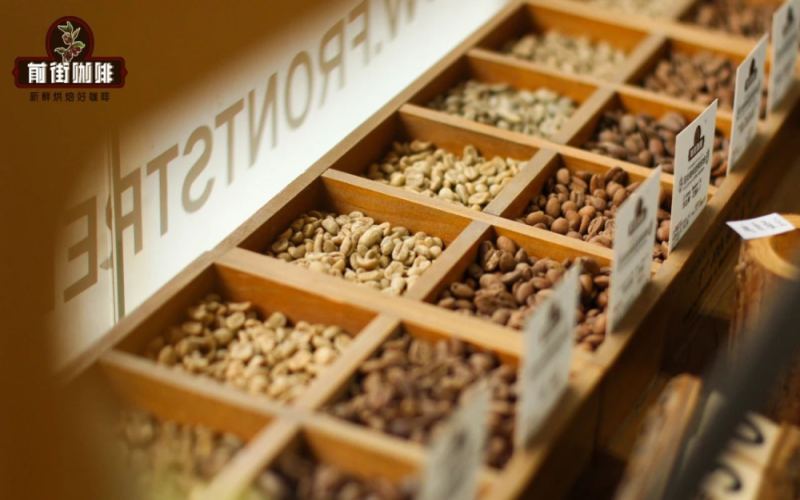
Yunnan blend extraction parameters | What coffee beans are used to make espresso? How do you adjust the grind size for espresso beans? How do you make a delicious latte?
Although more and more people are paying attention to single-origin coffee nowadays, judging from the ordering situation at Front Street Coffee, espresso-based drinks still account for a large proportion. This is merely a matter of taste preference, and it does not mean that espresso is better than single-origin coffee, or that people who drink espresso do not [more…]